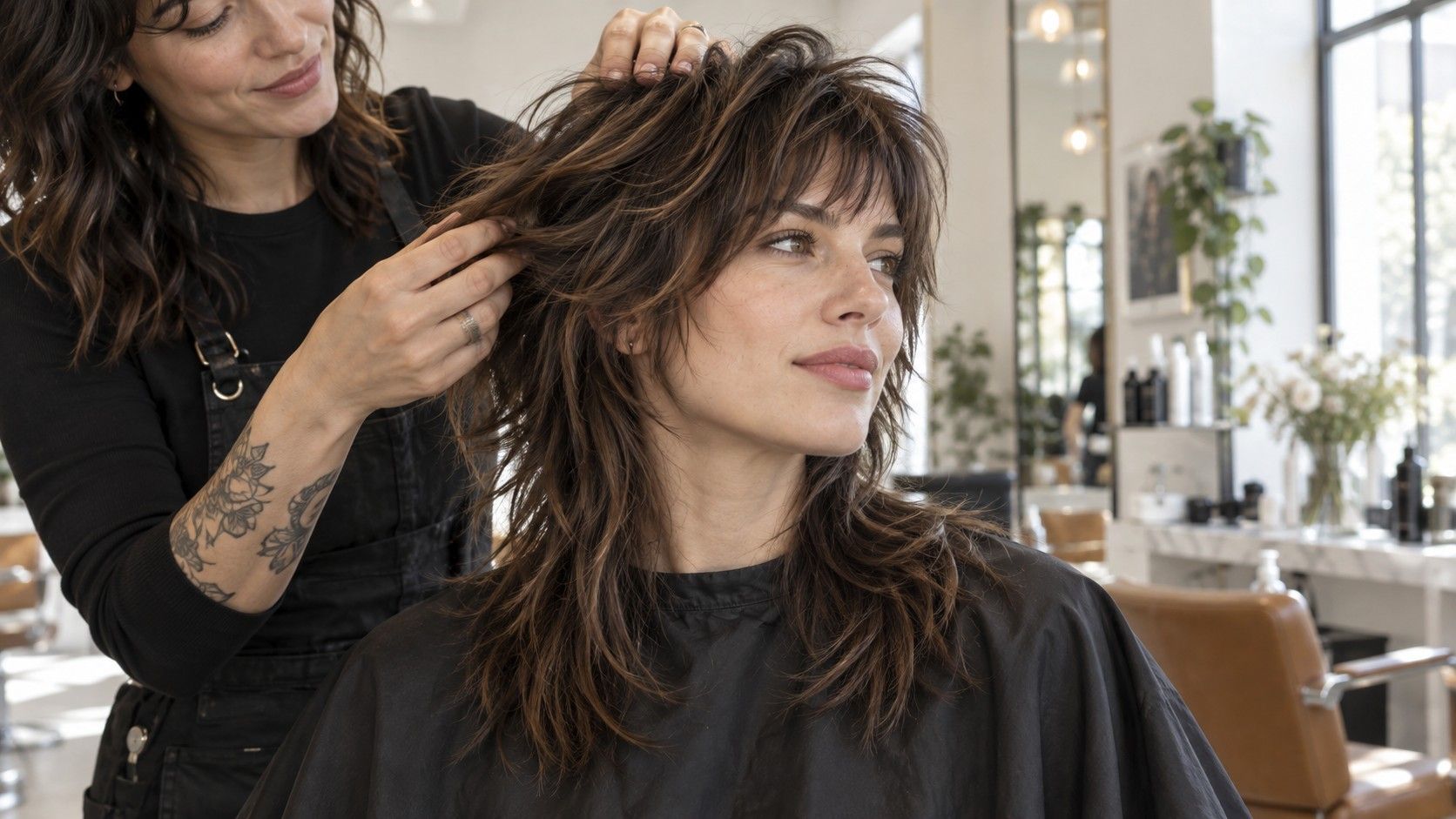
A wolf cut hairstyle sits between a shag and a mullet-inspired silhouette: shorter, fuller layers around the crown and face, with noticeably more length left at the back. That contrast is the point, so it is worth choosing it for the shape rather than because a single front-facing photo looked effortless. The right version can give soft movement and volume; the wrong version can make the crown feel disconnected from the lengths.
Understand the wolf cut silhouette
The wolf cut haircut is defined by contrast. The crown is usually shorter and more textured, the face has framing pieces or a fringe, and the back stays longer and lighter. Unlike a one-length layered cut, it does not try to distribute volume evenly. It places energy near the top and lets the lower lengths look more relaxed. From the side, you should still see a continuous line from fringe to back rather than a stack of unrelated shelves.
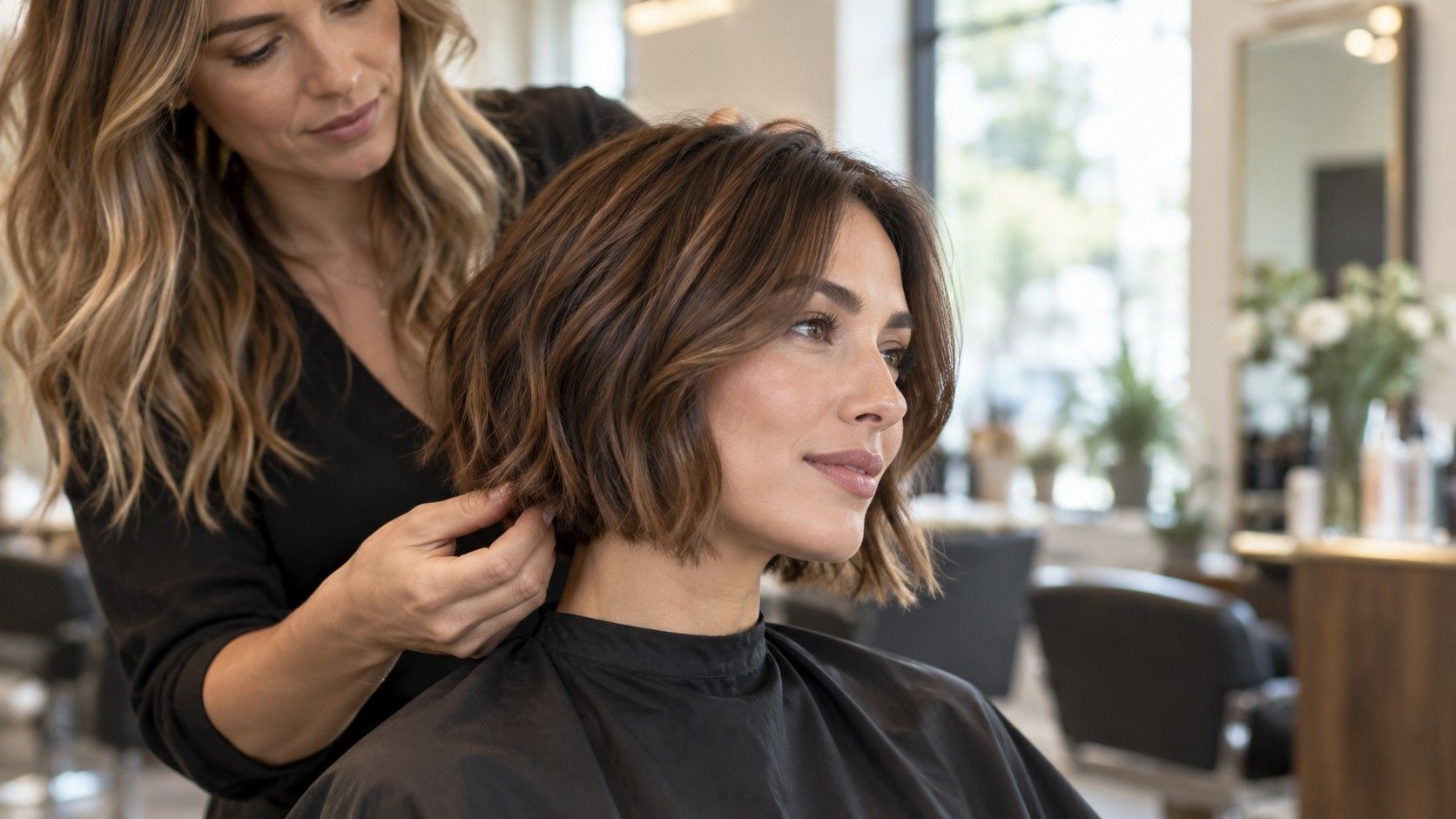
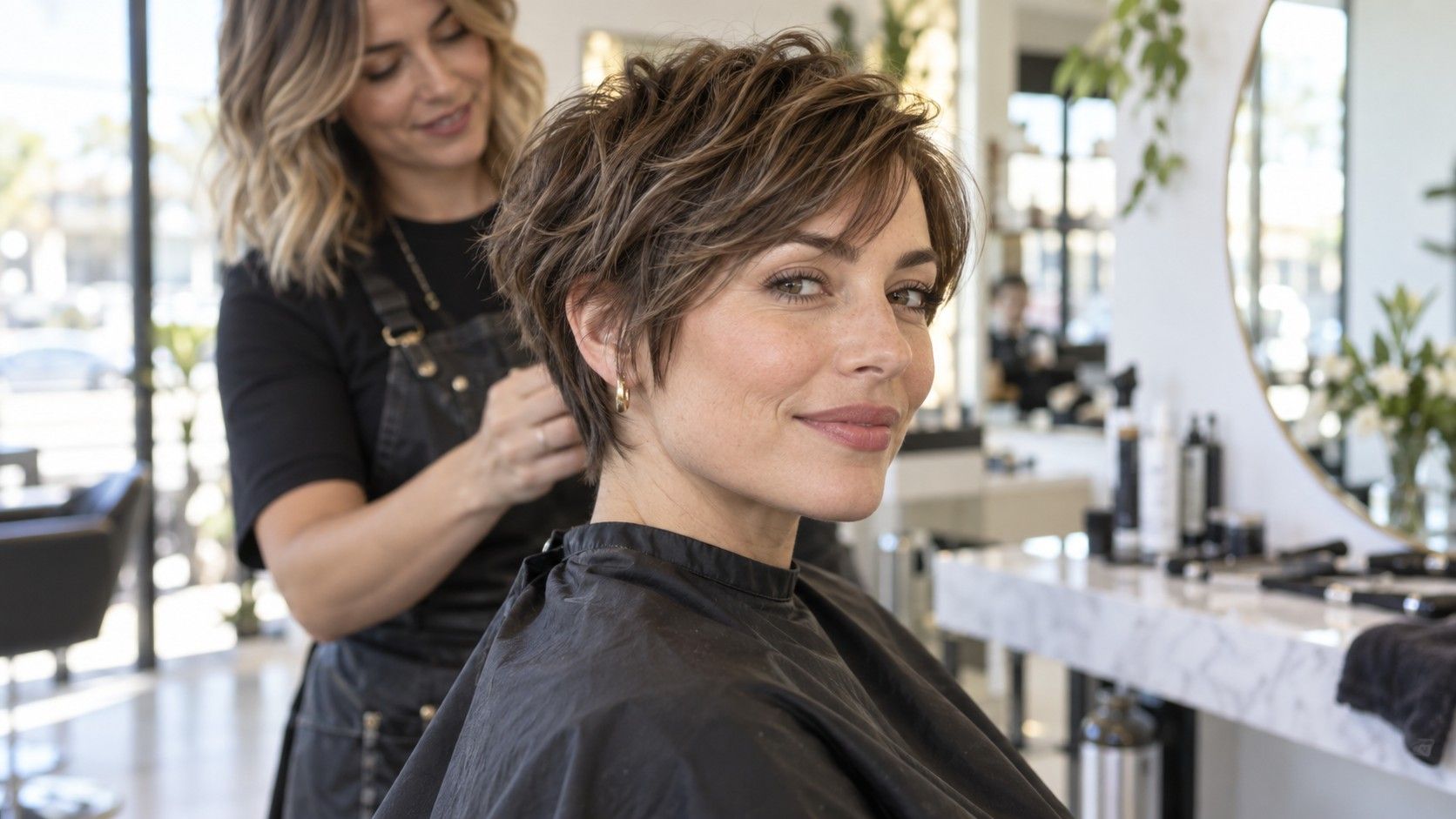
Length makes a major difference. On hair below the shoulders, the long back softens the stronger crown and makes the shape easier to tie up. On a bob-length version, the contrast becomes more visible and can feel more editorial. Short versions work well for people who like an exposed nape and regular reshaping, but they have less room to disguise an over-short crown while they grow.
Ask the stylist where the shortest layer will land when dry. A short crown can create a flattering lift on dense hair, but a cowlick can push it in an unexpected direction. Also ask whether the longest back pieces will remain substantial enough to look intentional. If too much weight is removed from the back, the shape may lose the long-versus-short distinction that makes wolf cut layers different from ordinary choppy layers.
Wolf cut versus shag: the real difference
A shag haircut usually blends its layers across the head. It can be highly textured, but its volume is more evenly shared between crown, sides, and lengths. A wolf cut deliberately exaggerates the upper part and protects more length at the back. The two cuts overlap, which is why online labels can be confusing, but the desired silhouette gives a clearer answer than the name on a photo.
Choose a shag if you want movement without a pronounced back section, or if you prefer a rounder overall outline. Choose a wolf cut if you enjoy a stronger profile and want the crown to feel lighter than the lengths. Neither option is automatically easier to style. The wolf cut tends to need attention at the short crown; the shag may need more product through its layers to keep them from merging into one flat mass.
There is a useful middle option: a soft wolf cut with longer crown layers and curtain bangs. It keeps the back length and face framing while reducing the mullet-inspired contrast. This is often a sensible first step for someone nervous about a dramatic change. It gives the stylist a clear direction without locking you into a sharply separated cut that only works with a styled finish.
| Question | Wolf cut | Shag |
|---|---|---|
| Where is the volume? | Mostly crown and upper sides | Spread more evenly through layers |
| What happens at the back? | Length is deliberately retained | Usually blended into the outline |
| Best first choice? | For a noticeable profile and contrast | For softer all-over movement |
Pick a version for your natural texture
Straight hair can wear a wolf cut, but it reveals construction. The short crown may need a blow-dry, a little bend, or a texturizing spray to avoid sitting in flat horizontal layers. Keep the cut slightly longer around the crown if you are not willing to style it. Fine straight hair also needs a conservative approach to thinning; the back must retain enough density to contrast with the lighter upper section.
Wavy hair naturally supports the shape because waves break up the layer lines. The key is controlling where volume appears. If your waves expand at the sides, ask for face-framing layers that start lower and keep the crown from becoming too short. If your waves are loose at the root but stronger through the lengths, a little crown lift from mousse or diffusing can make the cut look balanced instead of bottom-heavy.
Curly hair can create a striking wolf cut, but shrinkage changes the proportions quickly. The fringe and crown should be judged in their natural curl state, not pulled straight and cut to a theoretical length. A curlier texture may need longer top layers than a straight-haired reference suggests. Otherwise the crown becomes a compact dome while the long back disappears beneath it. Healthy definition, not maximum volume, is the useful goal.
Use bangs and length to soften the look
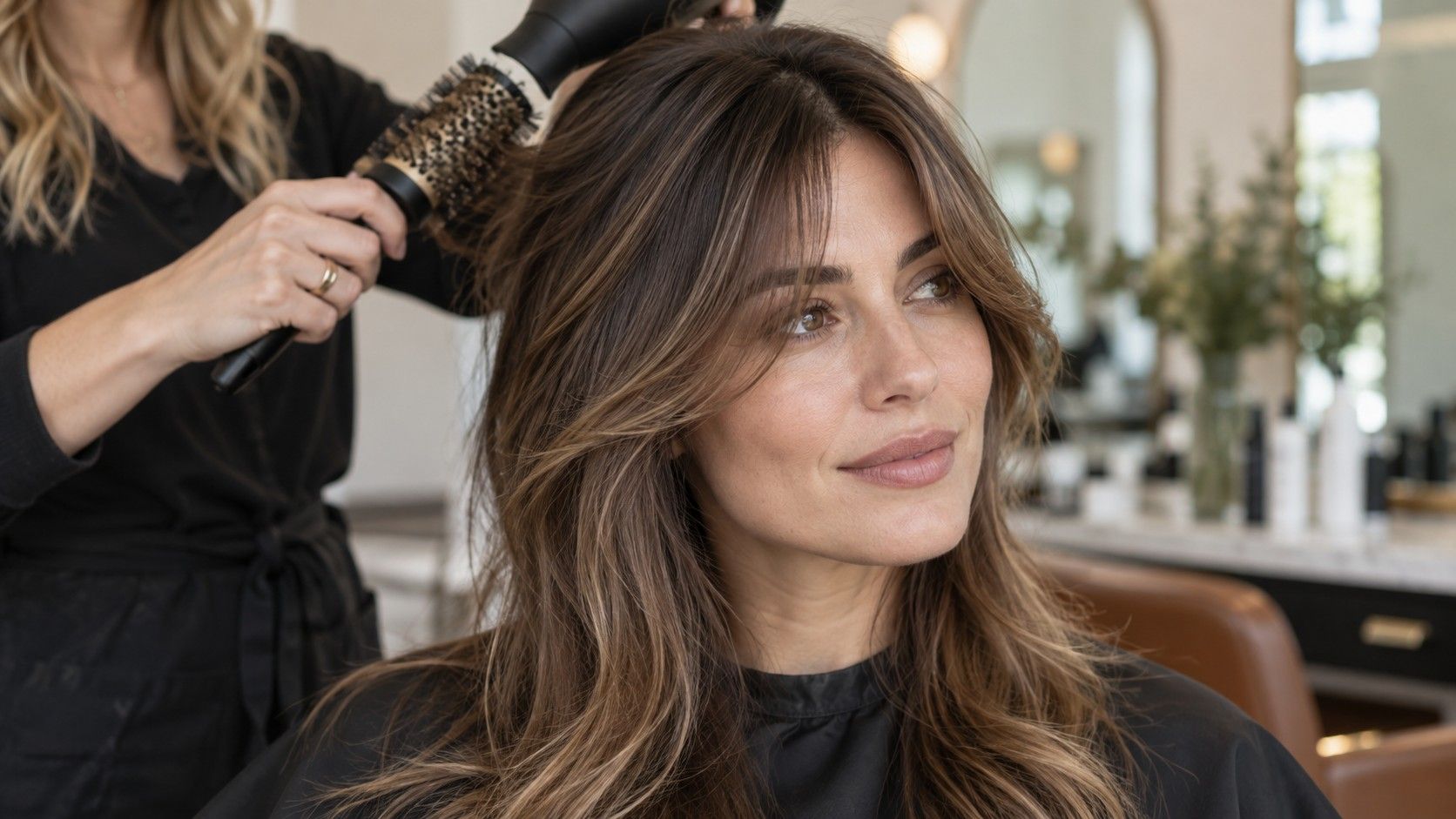
Curtain bangs are a practical companion to a wolf cut because they connect the short crown to the cheekbone area. They can be parted, swept aside, or blended into longer face-framing pieces when you want the forehead open. A full, straight fringe creates a more graphic look and makes the crown appear fuller, but it also raises the maintenance level. It needs drying direction and regular trimming to avoid splitting into the center.
Length at the temples is another softening tool. Leaving a few longer pieces near the ears can make a strong crown feel less abrupt and gives you something to tuck behind the ear. This is particularly useful if you wear glasses or prefer not to show the entire side of your face. A very tight temple with a short crown is more dramatic, but it can make the wolf cut hairstyle feel sharper than expected from the front.
At the back, decide whether you want a visible tail of length or a gentler rounded finish. A visible long back makes the silhouette clearer and works well when the hair has movement. A rounded back is easier for someone who wants a subtler cut from behind. Ask to see the cut from all angles before leaving the chair; the difference between these choices is often invisible in the mirror when you only look forward.
Manage the grow-out without losing shape
The grow-out begins at the crown. As those short layers lengthen, they can become bulky before they become useful. A reshape at six to eight weeks can remove weight selectively while preserving the back length. Waiting until everything feels wrong often leads to a larger correction, which can erase the very length you were trying to keep.
If you want to transition away from the wolf cut, grow the fringe and temple pieces first. They help connect the crown to the sides and can become the front of a shag or layered bob. Keep the back only as long as it still looks deliberate; sometimes a small trim there makes the growing crown seem more balanced. The goal is not to preserve every original layer but to guide the proportions into the next cut.
Daily styling can make this period easier. Use a light cream on the longer back sections and a small amount of paste or spray at the crown, rather than coating the whole head with one heavy product. Change the part occasionally to relieve a stubborn flat area. Wolf cut layers are most convincing when there is air between them, so a little restraint usually looks better than trying to force every strand into the same direction.